Mini Tillers—Maximizing Precision in Narrow Inter-Crop Rows
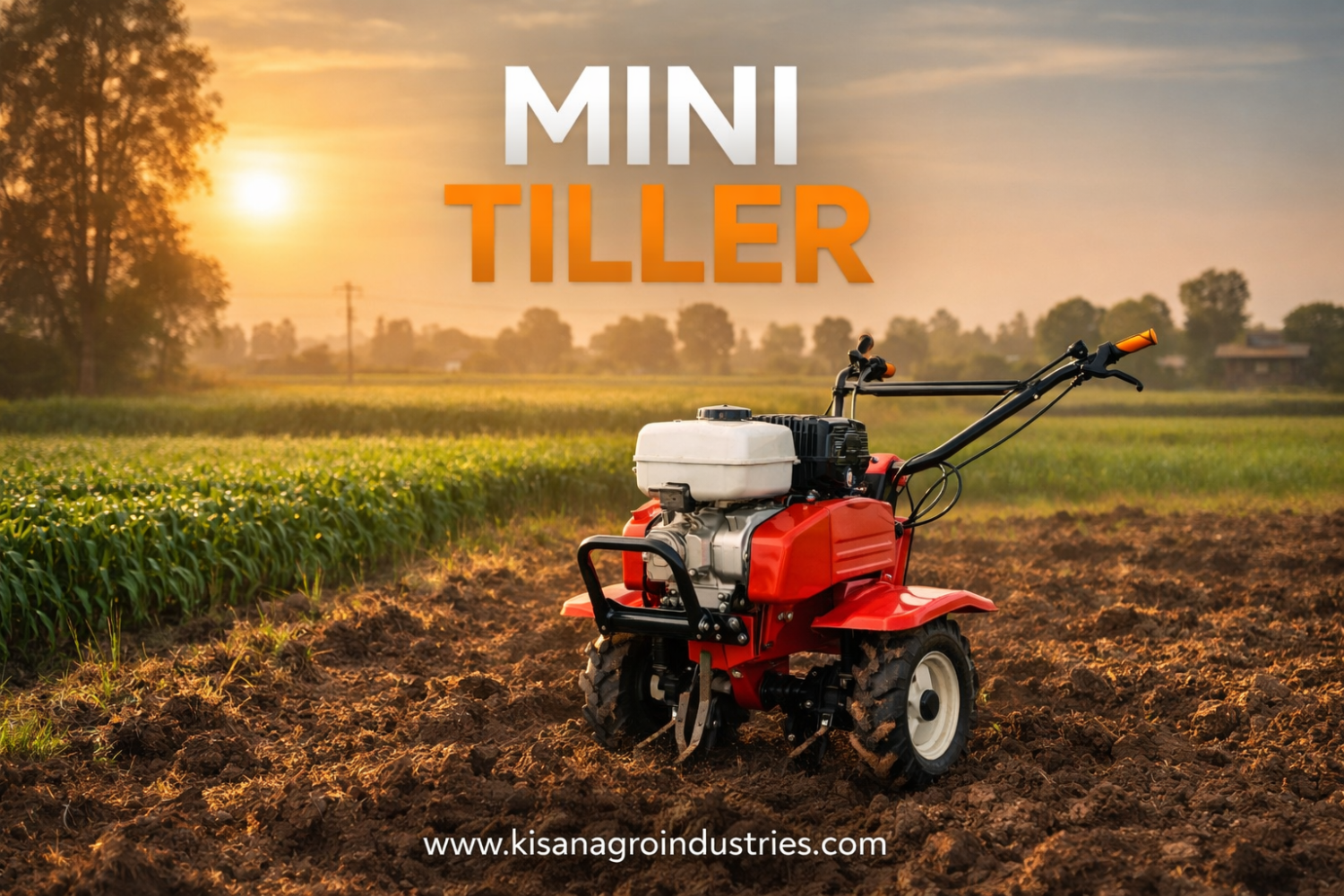
As sustainable and high-density farming methods become popular, inter-cropping and greenhouse cultivation are becoming standard practices across the country. While standard machinery excels in large open fields, it poses a significant risk to closely planted cash crops, orchards, and vegetables. To fill this gap, the Mini Tiller has emerged as an indispensable tool for precision weeding and soil preparation.
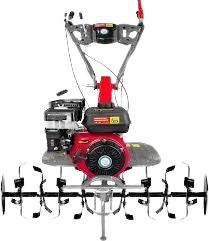
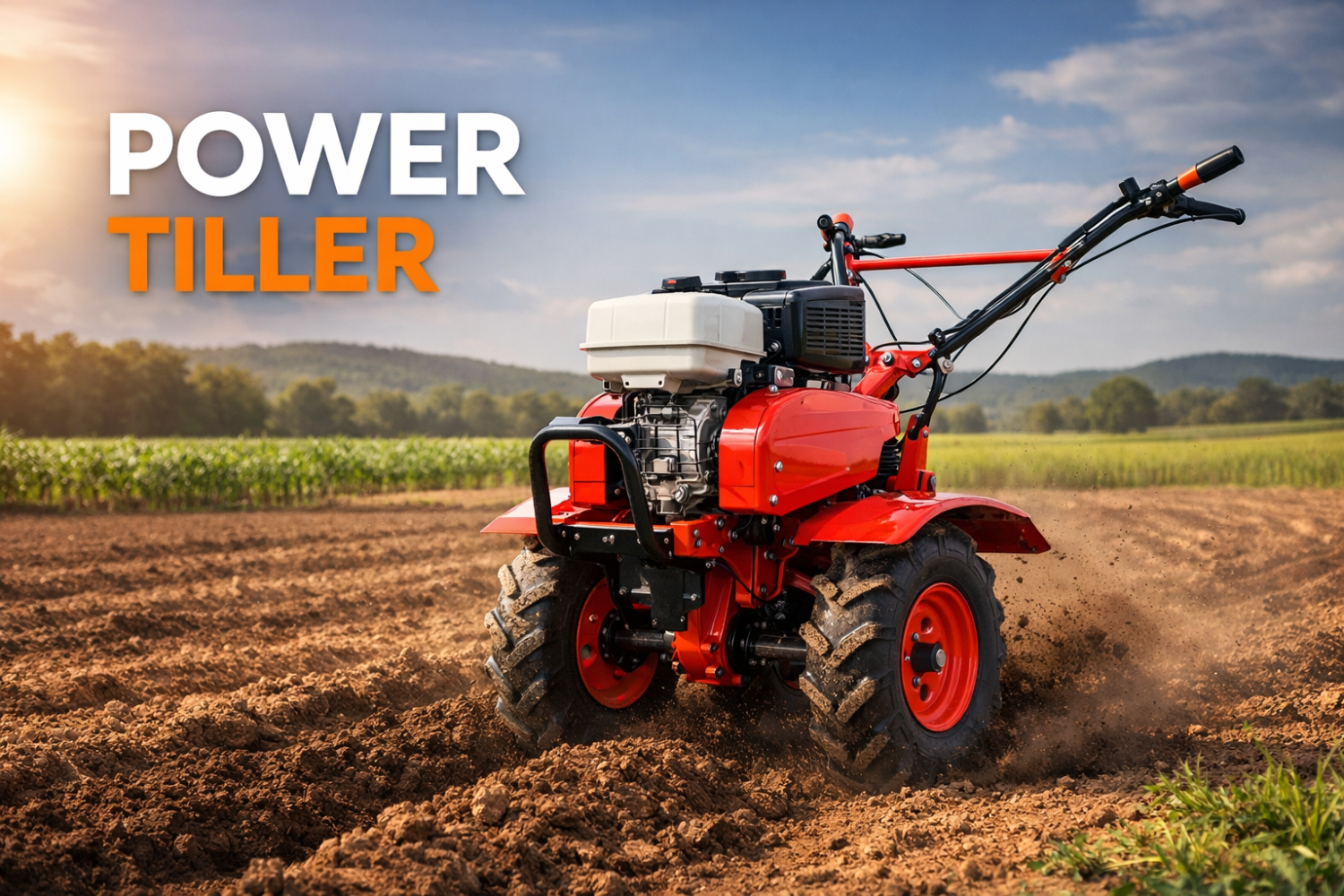
Mini tillers are compact, lightweight, yet surprisingly powerful machines designed to glide between crop rows without disturbing the plants' delicate root systems. They offer exceptional handling, letting a single operator guide the machine around tight corners, under low-hanging fruit tree branches, or within enclosed polyhouses.
Gentle on Crops, Tough on Weeds
The core strength of a mini tiller lies in its specialized tines and balanced weight distribution. Weeds are a constant threat to a farmer’s yield, absorbing vital nutrients, water, and sunlight meant for the primary crops. Traditional hand-weeding is incredibly slow and labor-intensive, while chemical weedicides can impact soil health over time.
The mini tiller solves this dilemma mechanically. It slices through stubborn weeds, uproots them completely, and simultaneously turns them into the soil where they decompose naturally as organic green manure. At the same time, it loosens the top layer of the crust, ensuring that rain or irrigation water reaches down to the crop roots uniformly rather than running off the hardened surface.
Designed for Simplicity and Comfort
Engineered with ergonomic handles, anti-vibration technology, and straightforward throttle controls, mini tillers lower the physical stress usually associated with farming. Their lightweight design makes transportation between far-flung plots effortless, making them an ideal choice for floriculture, horticulture, and organic vegetable cultivation where precision is non-negotiable.
Recent Posts
Kisan Agro India Industries